
New Graduates & Interns
Today’s team leads were once our interns.
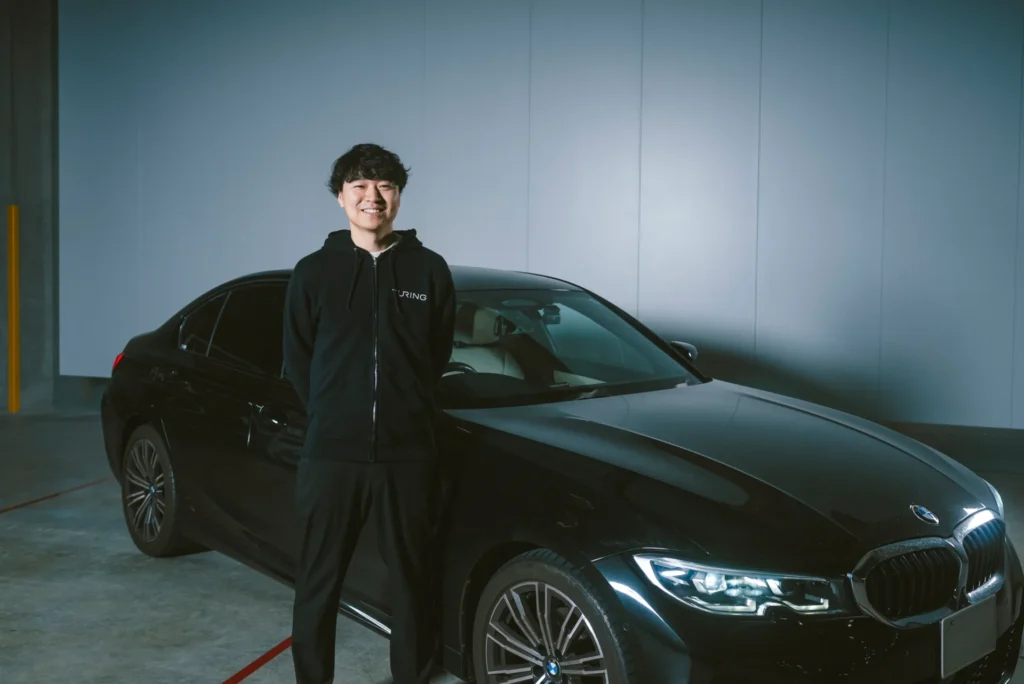
Taiki Shiotsuka
Driving AI2 Team
Joined as an intern when the company had just two employees. Achieved real-world autonomous driving using an E2E model, then joined full-time and rose to team lead. Now a core contributor to full autonomy on the Driving AI2 team.
→ Read the Interview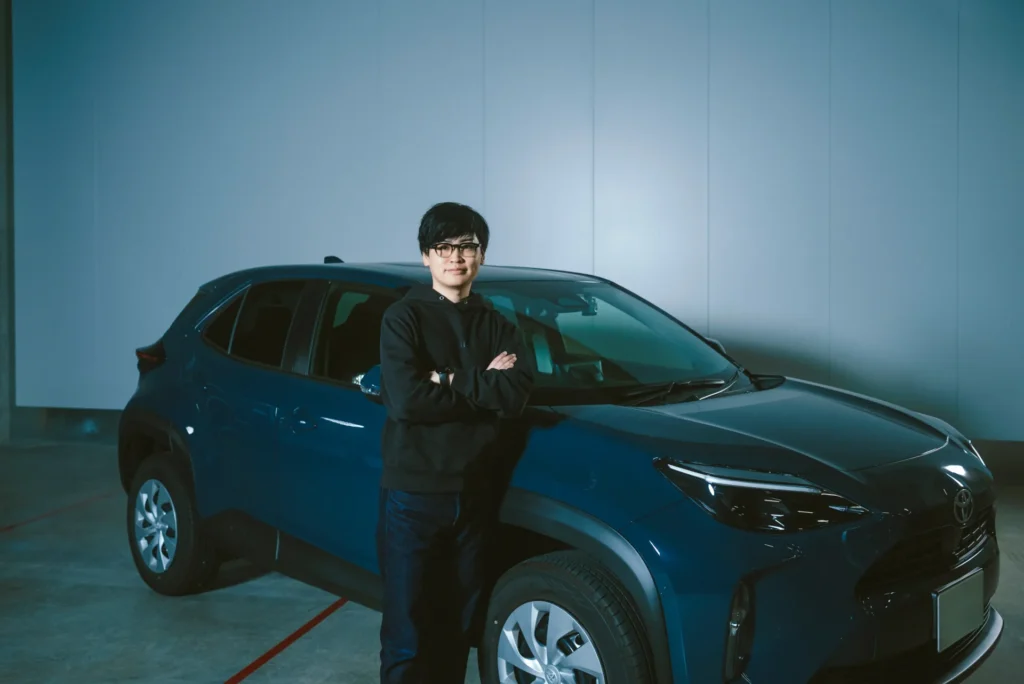
Kento Sasaki
Foundation AI Team Lead
Accepted an intern offer via Twitter DM when the team had fewer than 10 people. Started as a two-person team alongside the CTO. Now Foundation AI Team Lead after joining full-time. Papers accepted at ICLR ’26, AAAI ’26 (Oral), and WACV ’25 (Oral).
→ Read the Interview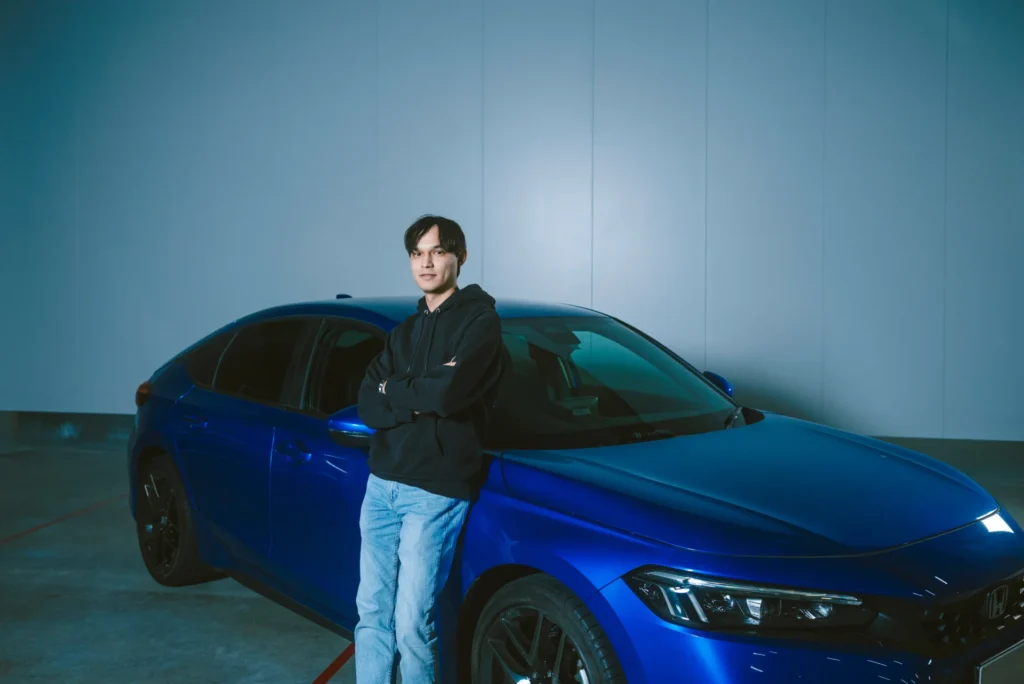
Kento Tokuhiro
Driving System1 Team Lead
Joined full-time driven by the challenge of moving the physical world through software, with a perspective spanning both HW and SW. Now leads the Driving System1 team, responsible for in-vehicle compute architecture design and real-time control.
→ Read the InterviewWhat You’ll Work On
We’re building an autonomous driving system capable of navigating Tokyo for 30+ minutes without human intervention.
Our E2E model is evolving into a physical foundation model that unifies physical behavior with world understanding.
You’ll be assigned to a team and project based on your experience and interests.
End-to-End Autonomous Driving Model
Develop E2E models that directly output steering, acceleration, and braking from camera footage. Drive continuous improvements to data and models, integrate distributed training infrastructure, and lead bottleneck analysis and optimization.
Autonomous Driving Group 1|Python, PyTorch, Machine Learning, Reinforcement Learning
VLA / Physical Foundation Model
Research and develop Vision-Language-Action models that unify vision, language, and action. Combine driving capability with multimodal understanding to tackle scenarios previously beyond the reach of autonomous systems. Conference paper submissions encouraged.
Autonomous Driving Group 3|Transformers, Multimodal, Large Language Models
MLOps / Data Pipeline
Automate ML pipelines from model training to deployment (MLflow, Airflow, etc.). Accelerate image and video data processing, develop a 3DGS-based closed-loop simulator, and introduce CI/CD practices.
Autonomous Driving Groups 1 & 3|MLflow, Airflow, Python, CI/CD
Autonomous Driving System / In-Vehicle Development
Build the vehicle and system stack that powers E2E autonomous driving. Implement and optimize for automotive-grade SoCs, support multiple vehicle platforms, manage fleet and OTA updates, and handle ONNX conversion and deployment of PyTorch models.
Autonomous Driving Group 2|C++, Embedded Systems, ONNX, SoC Optimization
GPU Training Infrastructure
Build, operate, and optimize GPU cluster environments at the scale of thousands of GPUs. Develop the infrastructure that enables fast, large-scale training and experimentation — from the latest VLA models to established methods.
Infrastructure Group|Kubernetes, NVIDIA, GPU Infrastructure, Distributed Training
Vehicle Motion Control / Real-World Validation
Design and implement vehicle motion control systems and algorithms. Evaluate and tune control performance using actual vehicles. The code you write today could be running on Tokyo’s public roads tomorrow.
Autonomous Driving Group 2|Control Engineering, Sensor Fusion, Real-World Validation
Know Turing in 60 Seconds
Program Overview
New Graduate Hiring
| Eligibility | Students majoring in CS, or those with hands-on development experience in machine learning, robotics, or software engineering |
|---|---|
| Role | ML Engineer / Software Engineer (Autonomous Driving Systems, MLOps) |
| Employment Type | Full-time employee (3-month probationary period) |
| Expected Annual Salary | Engineer ¥6M–¥10M / Senior ¥10M–¥15M / Principal ¥15M–¥20M *Includes 40 hrs/month of deemed overtime. Final offer determined based on experience and skills. |
| Location | HQ (6-1-1 Heiwajima, Ota-ku, Tokyo — Logistics Building A, AE2-1-2) 7-min walk from Ryutsu Center Station (Tokyo Monorail) |
| Work Schedule | Flextime (core hours: 11:00–15:00) |
| Time Off | Weekends & public holidays; 13 days annual paid leave (year one); summer & year-end holidays; Life Support Leave (5 days) |
| Benefits | Subsidized meals, hardware choice program, AI tools stipend, parking allowance (engineers under 30), book purchase program, corporate housing service (from April 2026) |
Intern Hiring
| Eligibility | Students with an interest in ML, software engineering, embedded systems, or infrastructure |
|---|---|
| Role | ML Engineer / Software & Embedded Engineer / Infrastructure Engineer |
| Compensation | ¥2,500–¥3,500/hour |
| Location | HQ (6-1-1 Heiwajima, Ota-ku, Tokyo — Logistics Building A, AE2-1-2) 7-min walk from Ryutsu Center Station (Tokyo Monorail) |
| Work Schedule | Flextime (core hours: 11:00–15:00); minimum 3 days/week on-site |
| Track Record | Two papers co-authored by Turing interns accepted to CVPR 2026. |
Selection Process
New Graduate Hiring
Intern Hiring
Always hiring — interns get a fast track to full-time consideration
Turing recruits new graduates year-round. Please indicate your preferred start date when applying. We strongly encourage starting as an intern before joining full-time. Interns who demonstrate strong performance may receive an expedited path through our full-time hiring process.
Frequently Asked Questions
Our goal: full autonomy — a feat no one has achieved.
 Apply Now