Katsuhiro Suzuki
Career Background
Before joining Turing, I worked at DENSO, developing system software and firmware for automotive semiconductors. Strictly speaking, I was seconded to NSITEXE, Inc., a DENSO subsidiary that was later merged into DENSO. One of the semiconductor IP cores I worked on was integrated into an automotive system-on-chip (SoC) from Renesas. I especially enjoyed bringing systems up from scratch and building the kind of foundational software that works so far below the surface that most PC users never even know it is there.
Before DENSO, I worked in Panasonic’s SoC business, which later became part of Socionext. There, I developed device drivers and firmware for chips used in digital TVs and Blu-ray recorders. It was a real thrill to walk into a major consumer electronics retailer such as Yamada Denki and see TVs and recorders on display that used technology I had helped develop.
The move was initially prompted when an alumnus of my university who had graduated before me invited me to join DENSO. I felt I could put my semiconductor development experience to good use, and I was also curious about moving from B2C to B2B, so I decided to make the move.
Why I Joined Turing
At 40—an age when many people at large companies move into management—I had just passed an internal promotion assessment. I found myself wondering whether to move into management or take on a new challenge as an engineer.
Then, during a tour of Turing’s office, I learned about the company’s ambitious goal of making fully autonomous driving a reality. I remember thinking, “If we could make that happen, I’d want it for myself.” It was a chance to take on a major challenge, and the work sounded fascinating, so I applied.
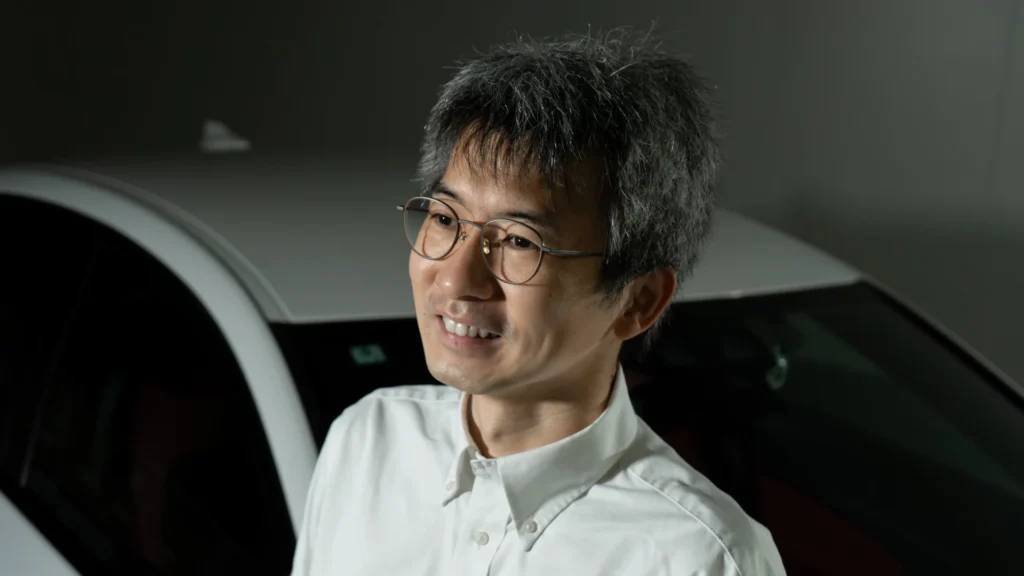
What I Do
- Developing systems for data collection and autonomous driving
- Adapting and deploying those systems across new vehicle models
- Developing the mechanisms needed to run inference at the edge
What Makes My Work Rewarding
- I often get to experience firsthand the thrill of having my own software move a car.
- Our software sits between the ML applications and the vehicle, acting as the last line of defense. A bug can lead to unsafe vehicle behavior, so there is a healthy sense of tension mixed in with the fun.
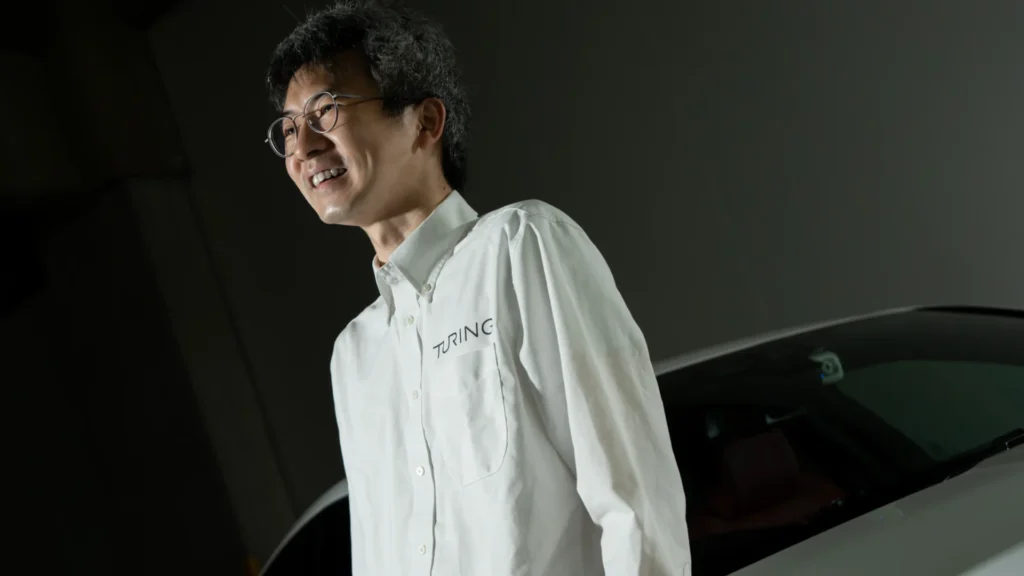
About the Work Environment at Turing
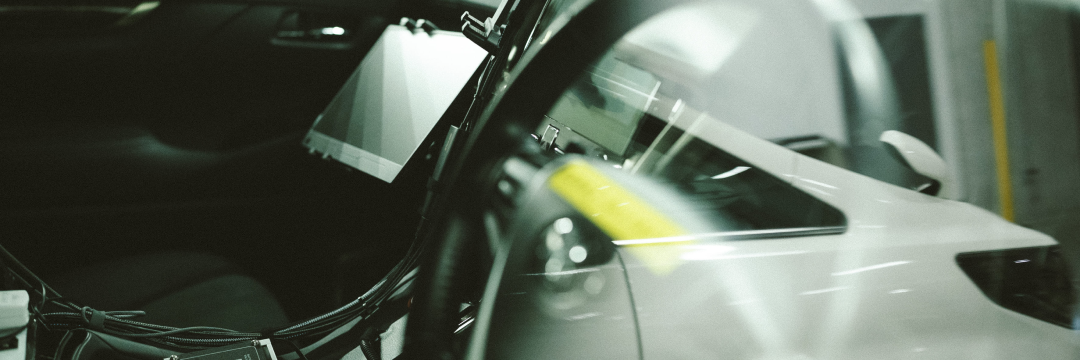
- We can modify test vehicles and develop software right beside them.
- It is an open environment where you can get involved in virtually anything related to autonomous driving that interests you.
- Because we are primarily office-based, it is easy to have informal conversations with specialists from a wide range of disciplines, and those conversations are always stimulating.
- One thing I appreciate is how quickly the company improves its internal systems and policies.
Who Thrives at Turing
- Owning a car is not a requirement, but a genuine enthusiasm for cars certainly helps.
- People who communicate effectively, share the right information, and take initiative in solving problems.
- People who are not wedded to any one idea or approach and are not afraid of change.
For Those Considering Turing
We will likely see AI transform the world in many ways in the years ahead. I believe fully autonomous driving will be among the most consequential of those changes—and that it will ultimately become reality. There will be many challenges on the path from development to widespread adoption, but I would love to work with people who believe we can achieve this ambitious goal and want to take it on together.
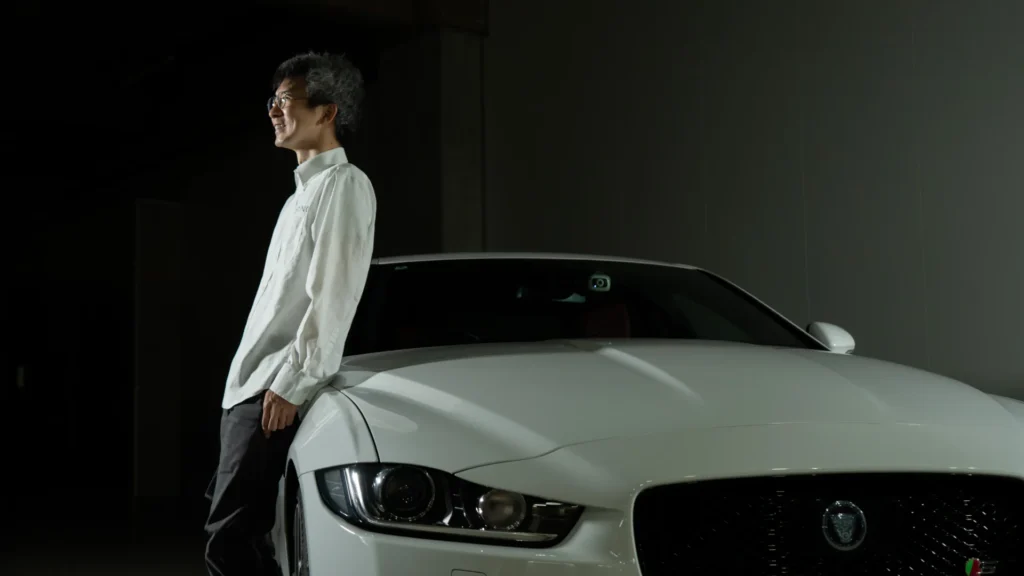
My Car
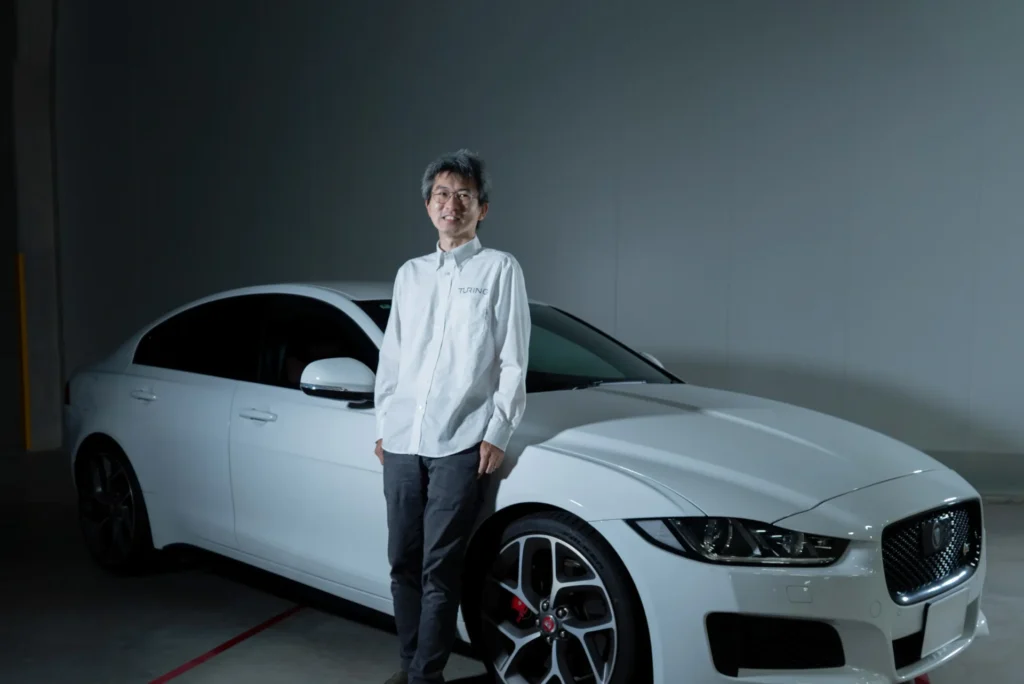
Jaguar XE S
I love its unusual supercharged V6, which takes its core architecture—including the 90-degree cylinder bank angle—from Jaguar’s 5.0-liter V8. It also has a distinctive, growling exhaust note, and it is simply a great-looking sedan.
Cars I’d Like to Drive
If we are talking about a car I would simply like to experience as a passenger, it would have to be a hypercar. I’m intrigued by the Pagani Zonda—the car that started it all for Pagani—and the record-setting Koenigsegg Agera RS. That said, I’m not sure I could actually handle either one behind the wheel.